Friends: The National Association of Young People Who Stutter
We are the only 501(c)(3) national nonprofit organization dedicated solely to empowering young people who stutter and their families.

We’re Giving Away Dylan Laube’s Custom Cleats!
Enter by: Thu. April 23rd @ 8:00 PM Eastern
You can win a one-of-a-kind pair of custom cleats worn by Las Vegas Raiders running back who stutters Dylan Laube. The cleats are signed by Dylan and feature his handwritten message: “Embrace your stutter”
Meet your Friends in Chicago!
29th Annual Convention
Thu. 7/23 at 1:00pm - Sat. 7/25 at 11:00pm
Embassy Suites by Hilton O’Hare Rosemont
Join us for three days packed with support, education, connection, and excitement for kids, teens, and adults who stutter, siblings, parents and caregivers, significant others, SLPs, and students. Activities include workshops, panels, sessions led by highly esteemed researchers, exciting keynote speakers, family activities, open mics, and more!
Day(s)
:
Hour(s)
:
Minute(s)
:
Second(s)

Our Mission
Friends aims to provide support, education and empowerment to children and teens who stutter, their families and clinicians.
Our annual conventions and regional one day conferences provide the opportunities for life-changing experiences that can impact long lasting feelings about stuttering and offer new hope for a life with stuttering. Friends seeks to make life easier for young people who stutter and their families.
Our Story
In 1997, Friends was founded by John Ahlbach and Lee Caggiano to meet the need for organized support and education for young people who stutter and their families. Over the years, we have expanded into a national organization that hosts a large annual convention each July and many regional one-day conferences around the country throughout the year.

Upcoming Events

TUE
14
APR
Virtual Parent Group in Spanish
Un espacio donde padres, madres, y otros familiares pueden conectarse, compartir ideas e inquietudes, y aprender estrategias útiles para apoyar mejor a su menor con tartamudez.
8:00 PM – 9:30 PM ET
SAT
18
APR
Dallas One-Day Event
Build lasting, local connections and gain personalized stuttering support with a community that understands.
9:00 AM – 4:00 PM
Shelton School & Evaluation Center
FRI
01
MAY
Last Day to Apply for Graduate Student Training
We developed the Graduate Student Training Program (GSTP) at our three-day convention to help graduate students in speech-language pathology get a better understanding of stuttering and the experience of stuttering for young people and their families. Don‘t miss out on this valuable opportunity to work with stuttering specialists, ask questions, learn from children who stutter, and gain unique experiences.
SAT
09
MAY
Virtual Kids Group
A fun-filled group for kids aged 6 to 11. Meet other kids who stutter, make friends, play games, and enjoy each other’s company!
11:00 AM – 12:00 PM ET
SAT
09
MAY
Virtual Parent Group in English
A space for parents, caregivers, and relatives to connect, share ideas and concerns, and learn helpful strategies to best support their young person who stutters.
12:30 PM – 1:30 PM ET
WED
13
MAY
Virtual Teen Group
Welcoming all young people who stutter ages 12 to 17. This group offers a safe space for teens to connect, inspire, and laugh with friends who stutter.
7:30 PM – 8:30 PM ET
THU
14
MAY
Virtual Adults Group
Calling all adults who stutter ages 18 to 39. This is an accepting space for adults who stutter to share stories, feelings, & laughter with friends who understand.
7:30 PM – 8:45 PM ET
SUN
31
MAY
Last Day of Convention Early Bird Rates
Join us for an unforgettable summer convention in Chicago, full of support, knowledge, and laughter. Don’t miss your chance to catch our discounted rates. Register today and save. We can’t wait to see you there.
Explore Friends
Virtual Programs
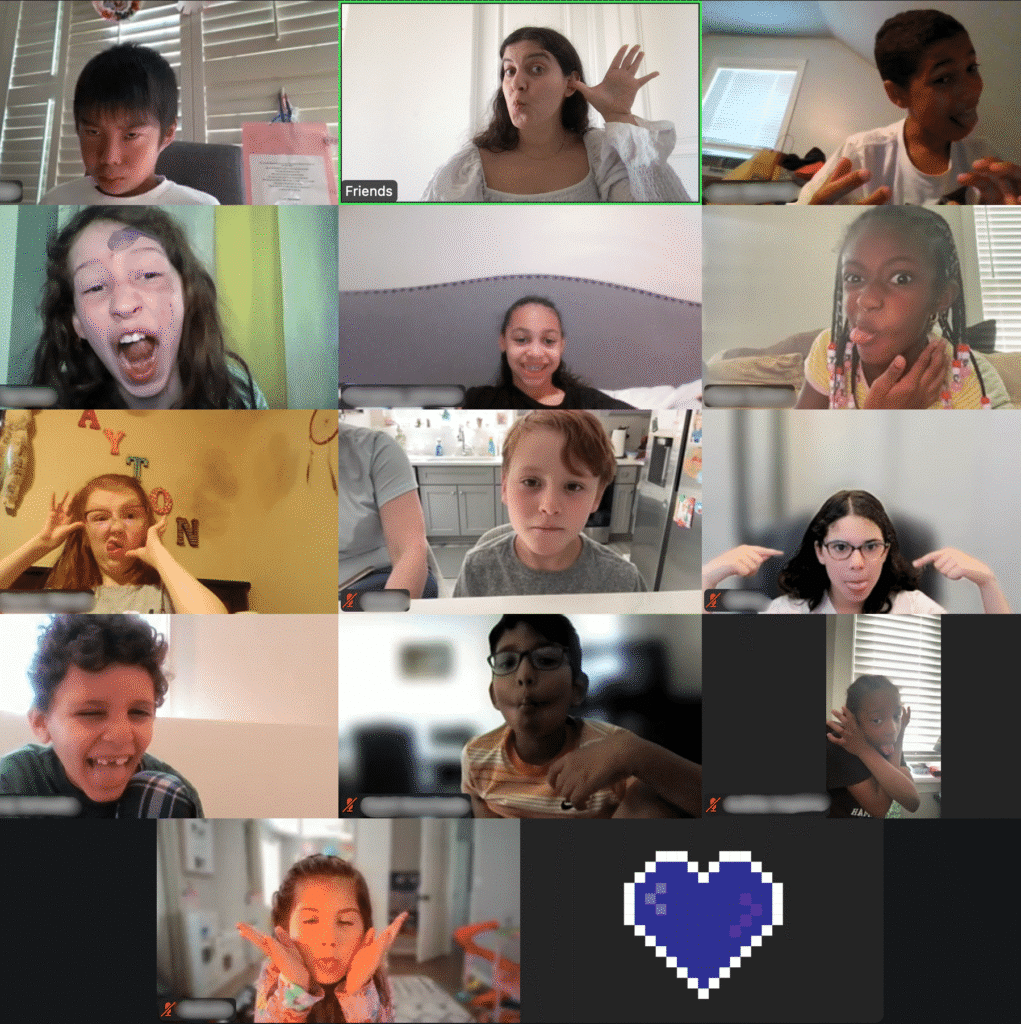
We offer monthly virtual programming for kids, teens, young adults, and parents — a time for everyone!

Regional One-Day Events
Full days of group activities, presentations, and panels designed to offer support and information to young people and families

Annual Convention
A 3-day immersive convention with abundant support, family-oriented events, keynote speakers, and workshops for all


